If you have ever taken two oodles to the same groomer and walked away with completely different bills, coat type is almost always the reason. And it’s not something most people think to ask about before bringing a puppy home.
The truth is, oodle breeds can land anywhere on the coat spectrum, from soft, wavy fleece to tight curly wool. Each texture comes with its own grooming routine. Getting familiar with yours early means fewer surprise grooming bills and a much more comfortable experience for your dog.
We at https://www.oodlepups.com.au breed multi-generational Labradoodles and live with this every single day. In this article, we’ll share oodle grooming tips that actually work for each coat type.
If you want your dog to look and feel their best, read on.
Why Oodle Coat Types Are Not All the Same
Oodles are a mix of two breeds, and that mix means coat outcomes are never guaranteed. One puppy from a litter can come out with a loose, wavy fleece, while the sibling lands a tight wool curl. And both need completely different care.
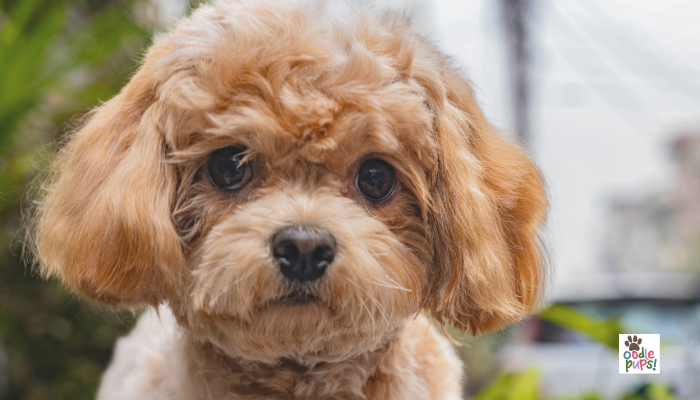
You might be thinking that looks are the only difference, but coat structure changes a lot more than that. Based on coat type, these are the things that vary:
- How fast knots form
- How much your dog sheds
- The frequency of brushing your pup needs
- Sensitivity around the skin during grooming
Wool and fleece coats behave differently right down to the root. So, before we get into specific breeds, you need to know exactly what separates these two coat types from each other.
Fleece Coat vs Wool Coat: What You Are Actually Dealing With
Between fleece and wool, the main difference comes down to curl pattern and how much daily attention each one needs. Here’s what each one looks like in practice.
How a Fleece Coat Feels and Behaves
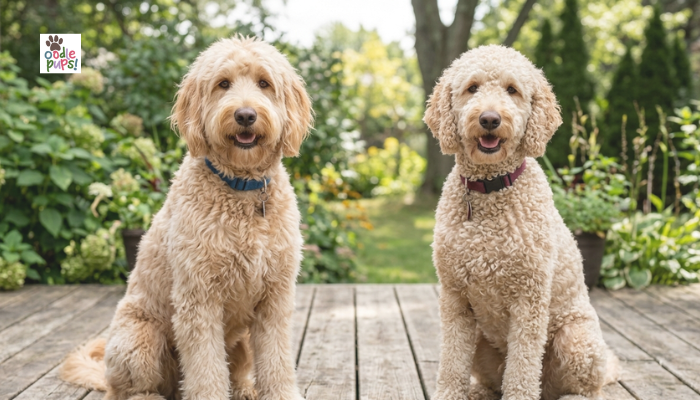
A fleece coat is soft, wavy, and sits somewhere between straight and curly. Drawing from our experience with Pip and Rosie, both of whom have fleece, non-shedding coats, this texture is genuinely easier to manage day to day. Plus, fleece won’t trap loose hair the way wool does, so your sofa will thank you.
However, easier doesn’t mean effortless. Regular brushing 2 to 3 times a week keeps the coat free of tangles, and a wide-tooth comb helps you check for any knots hiding close to the skin.
What Makes a Wool Coat Different
Wool coats are tightly curled, super soft, and shed very little. That sounds like a dream (well, who doesn’t want a low-shedding dog?). But the curl is exactly what makes them prone to matting if you skip a few grooming sessions.
Once the mats form, they pull on the skin and start hurting after a while. In fact, according to a study, chronically matted hair can lead to skin infections, ear disease, and, in serious cases, restricted blood flow to the limbs. A professional groomer can help sort it out early, but catching it before it starts is always easier.
To stay ahead of it, a slicker brush is your best tool. It gets through the curls without dragging on the coat base, especially around the ears and legs (those two spots mat quicker than the rest of the body).
Quick Tip: Aim for at least 3 to 4 brushing sessions a week. If the curl is particularly tight, treat that as a minimum rather than a target.
Groodle Coats and the Golden Retriever Influence
Most groodles sit in a category of their own when it comes to coat care. And more often than not, their coats tend to reflect the Golden Retriever side. That means longer length, a wavier texture, and a higher chance of shedding compared to other oodles.
A larger brush covers the coat more thoroughly here, and it saves you a good chunk of time during each session (especially if your groodle has just come in from a run).
That extra volume also means tangles build up faster, particularly around the chest and legs after outdoor runs. So if you share your home with a groodle, weekly brushing is just the starting point, and daily brushing is often needed during heavier shedding periods.
Now that you know what each texture demands, let’s talk about the tools that make all of this a lot more manageable.
The Grooming Tools Every Oodle Owner Needs
Having the right grooming tools at home saves you money on professional grooming visits and keeps your dog comfortable between appointments. And honestly, using the wrong brush on the wrong coat can cause breakage, matting, and skin irritation.
These are the tools worth having on hand to keep any oodle coat in good shape:
- Slicker Brush: A slicker brush is the most relied-upon tool in any oodle grooming kit. It detangles, smooths, and gets through both fleece and wool without pulling on the coat.
- Bristle Brush: After a slicker brush session, you can use a bristle brush to finish up, sweep away loose hair, and leave the coat looking neat and smooth.
- Wide-Tooth Comb: Run a comb through the coat after brushing to catch any knots the brush missed, particularly around the ears and chest, where tangles like to hide.
- Detangler Spray: A good detangler spray loosens stubborn tangles before you brush, which makes the whole session faster and more comfortable for your dog.
You don’t need to purchase every grooming product on the market to do a good job. These four cover the basics for most oodle coat types, and they are a safe bet whether you are starting out or replacing your older tools.
Puppy Cut, Teddy Bear, and Other Coat Care Styles Explained
The right style directly influences how manageable the coat is between professional groomers, and for many owners, that’s where the decision lies. The table below gives a quick breakdown of the most common cuts:
| Cut Style | Description | Maintenance Level |
| Puppy Cut | Short, even length all over the body | Low |
| Teddy Bear Cut | Longer around the face, rounded finish | Medium |
| Lion Cut | Short on the body, fuller around the head | Low to Medium |
| Lamb Cut | Uniform length, slightly longer than a puppy cut | Medium |
Between these four, the puppy cut is the most practical choice for busy owners. It keeps the coat short and uniform, which means far fewer knots to deal with between grooming appointments.
On the flip side, the teddy bear cut is popular for its fluffy, rounded look, but that extra length around the face does need more attention. In short, the longer the style, the more frequent your grooming schedule needs to be.
How Often Should You Groom Each Oodle Breed?
The time between grooming sessions depends mostly on your oodle’s coat type and how short you keep it. As a general rule, wool coats need brushing 3 to 4 times a week, while a fleece coat in a shorter cut can get by with 2 visits to the brush.
Bath time follows its own schedule. Most oodles do well with a bath every 4 to 6 weeks (even a quick rinse counts). When you do wash your dog, wet the coat fully first. Then work a gentle shampoo through the coat from the body outward and follow up with conditioner to keep things tangle-free.
That said, drying is just as important as washing. A towel dry first, then a low-heat blow dry, helps prevent dampness from sitting close to the skin. And if your dog starts to smell between baths, a spot wash is all you need.
Follow these steps consistently, and you’ll spend far less time dealing with knots and far more time enjoying your dog.
Your Oodle Deserves a Routine That Works
Each texture comes with its own routine, and getting familiar with yours early means fewer surprise grooming bills and a much more comfortable experience for your dog.
A few areas worth keeping on your radar beyond the coat:
- Ears: Check regularly for moisture and debris
- Paws: Trim around the pads to prevent slipping
- Mouth: Clean consistently to avoid tartar build-up
- Sanitary Areas: Tidy up every few weeks to stay on top of hygiene
These small habits add up to a much healthier, happier dog overall. And once you know your oodle’s texture and needs, the rest of the routine tends to fall into place pretty naturally.
If you are looking for an oodle bred with health and coat quality in mind, visit Oodle Pups to learn more about our Labradoodles. Pip and Rosie are both RightPaw-certified, health-tested, and they grew up in a home environment, so their pups come with a solid foundation from day one.