Understanding Dorsal Hump Concerns
What is a dorsal hump on the nose
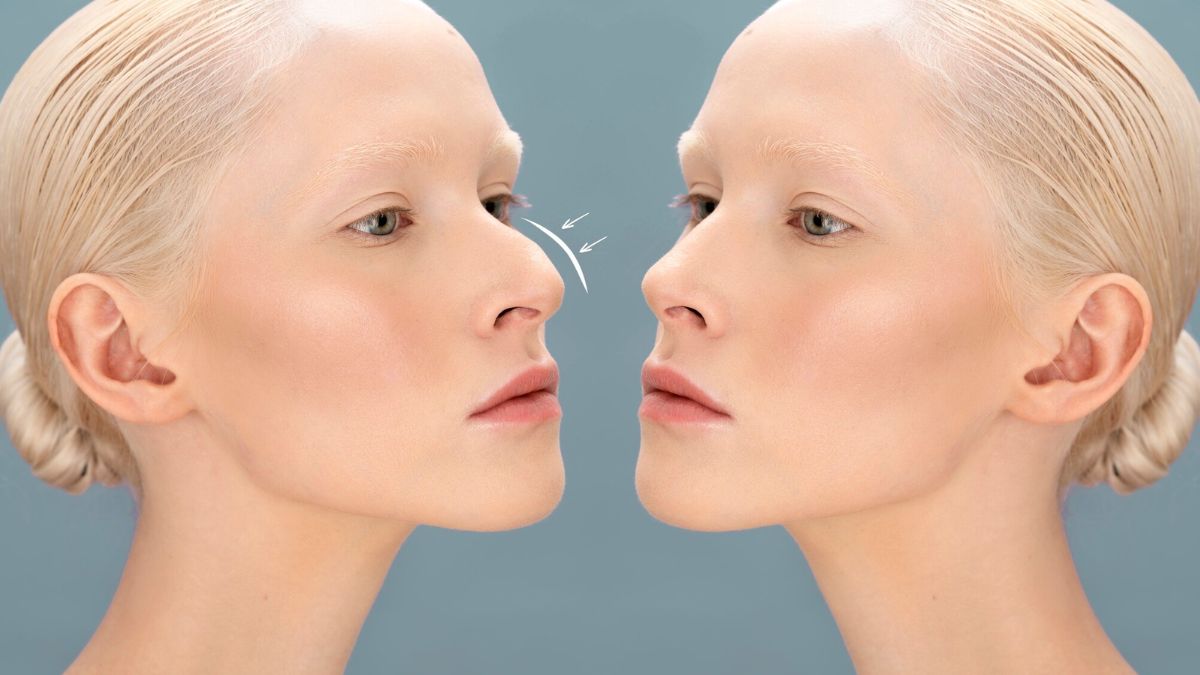
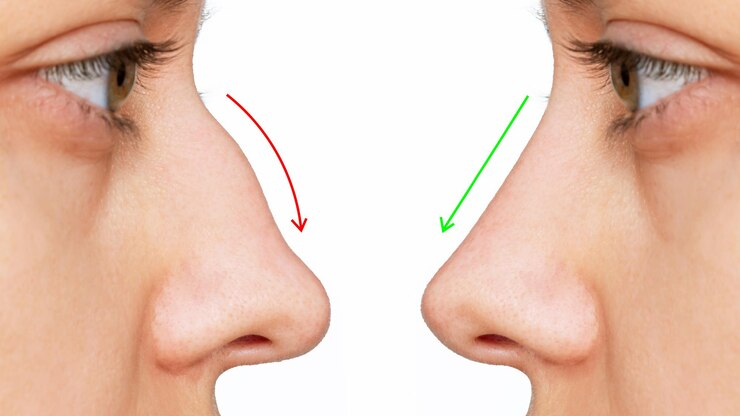
A dorsal hump is a visible bump along the bridge of the nose. It is usually made up of bone, cartilage, or a combination of both. Some people are born with a dorsal hump, while others develop it over time due to growth patterns or previous nasal injury.
In many cases, a dorsal hump does not cause any medical problems. However, it can affect facial balance and the overall profile of the nose, which leads many people to explore dorsal hump removal as a cosmetic option.
Why people seek dorsal hump removal
The main reason people consider surgery is aesthetic. A prominent nasal hump can make the nose appear larger or less straight from the side profile. This can create imbalance with other facial features such as the chin, lips, and forehead.
Some individuals also report difficulty finding glasses that sit comfortably or feel that the hump draws unwanted attention in photos. Because of these concerns, surgical correction is often considered a long-term solution.
Causes of Dorsal Hump Formation
Genetics and natural bone structure
In most cases, dorsal humps are inherited. The shape of the nasal bones and cartilage is passed down through family traits. Some people naturally develop a more prominent nasal bridge as they grow.
Injury or trauma
A previous nasal injury can alter the structure of the nose. Even minor trauma can shift cartilage or bone alignment, leading to a visible hump over time.
Growth and development changes
During puberty and early adulthood, the nose continues to grow and change. In some individuals, this results in uneven development of the nasal bridge, contributing to a hump appearance.
Surgical Options for Dorsal Hump Removal
Open rhinoplasty approach
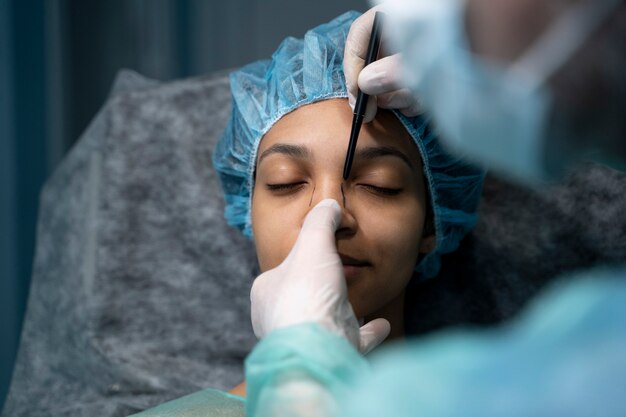
Open rhinoplasty is a common surgical method used for dorsal hump removal. In this procedure, a small incision is made across the columella (the tissue between the nostrils), allowing the surgeon to lift the nasal skin for full access to the bone and cartilage.
This approach provides clear visibility and is often preferred for more complex nasal reshaping. The surgeon carefully removes or reshapes the hump to create a smoother nasal bridge. In some cases, additional cartilage grafting may be required to maintain structural support and ensure a natural-looking result.
Closed rhinoplasty technique
Closed rhinoplasty involves incisions made inside the nostrils, meaning there are no external scars. This technique may be suitable for smaller dorsal hump corrections where less structural adjustment is needed.
While it offers a shorter recovery period, it provides limited visibility for the surgeon compared to open techniques. The choice between open and closed methods depends on the patient’s anatomy and the level of correction required.
Surgical reshaping process
During dorsal hump removal, the surgeon carefully reduces both bone and cartilage to achieve a balanced nasal profile. The goal is not simply to remove the hump but to ensure the nose remains proportionate and functional.
In many cases, the nasal bones may be gently repositioned to close the space created after hump reduction. This helps maintain symmetry and avoid a flat or unnatural appearance.
Role of Nostril Reduction Surgery in Nasal Balance
What is nostril reduction surgery
Nostril reduction surgery is a procedure that reshapes or reduces the width of the nostrils. It is also known as alar base reduction. This surgery focuses on improving the proportion between the nostrils and the rest of the nose.
It is often performed for individuals who feel their nostrils are too wide, flared, or uneven. Small incisions are made at the base of the nostrils to remove a minimal amount of tissue, allowing the nostrils to be reshaped.
Why nostril reduction is sometimes combined with dorsal hump removal
In many cases, nasal surgery is not limited to one area. When a dorsal hump is removed, the overall shape of the nose changes. If the nostrils are wide or disproportionate, this can affect the final result.
Combining nostril reduction surgery with dorsal hump correction can help achieve a more balanced and natural nasal appearance. This combination ensures that the bridge, tip, and nostrils all work together in proportion.
Combined Treatment Approach for Better Facial Harmony
Importance of overall nasal structure
The nose is a central facial feature, and even small changes can affect overall balance. When planning dorsal hump removal, surgeons evaluate the entire nasal structure, including the tip, bridge, and nostrils.
This ensures that reducing the hump does not create imbalance elsewhere. In some cases, subtle adjustments to the nasal tip or nostrils may be recommended to maintain harmony.
Customised surgical planning
Every nose is different, so surgical plans are tailored to each individual. Some patients only require minor hump smoothing, while others need more detailed reshaping involving multiple nasal structures.
A personalised approach ensures that the final result matches facial proportions and maintains natural expression.
Recovery After Dorsal Hump Removal Surgery
Initial healing phase
After surgery, it is common to experience swelling, bruising, and mild discomfort around the nose and eyes. A nasal splint is usually placed on the outside of the nose to help maintain shape during early healing.
Most people can return to light daily activities within one to two weeks, although full recovery takes longer.
Gradual improvement over time
Swelling gradually reduces over several weeks. However, subtle changes in nasal shape may continue for several months as tissues settle. The final result of dorsal hump removal is typically visible after three to twelve months.
Patients are usually advised to avoid strenuous activities, protect the nose from impact, and follow post-surgery care instructions carefully.
Risks and Considerations
Possible surgical risks
As with any surgical procedure, dorsal hump removal carries some risks. These may include infection, bleeding, scarring, or asymmetry. In rare cases, breathing difficulties may occur if nasal structures are not supported properly during healing.
Choosing an experienced surgeon significantly reduces these risks.
Realistic expectations
It is important to have realistic expectations before undergoing surgery. The goal of dorsal hump removal is improvement, not perfection. Subtle differences in nasal structure are normal and can contribute to a more natural result.
Final Thoughts on Nose Reshaping Procedures
Choosing the right surgical option
Dorsal hump removal can make a noticeable difference in facial balance and profile appearance. Whether performed through open or closed techniques, the goal is to create a smoother nasal bridge that complements other facial features.
In some cases, combining this procedure with nostril reduction surgery provides a more complete transformation, especially when nasal width and shape also need adjustment.
Importance of professional assessment
A proper medical consultation is essential before deciding on surgery. The nose is a complex structure that requires careful evaluation of both function and appearance. A tailored surgical plan ensures that results are balanced, natural, and long-lasting.
With the right approach, dorsal hump removal surgery can provide meaningful improvements in facial harmony while maintaining the natural character of the nose.