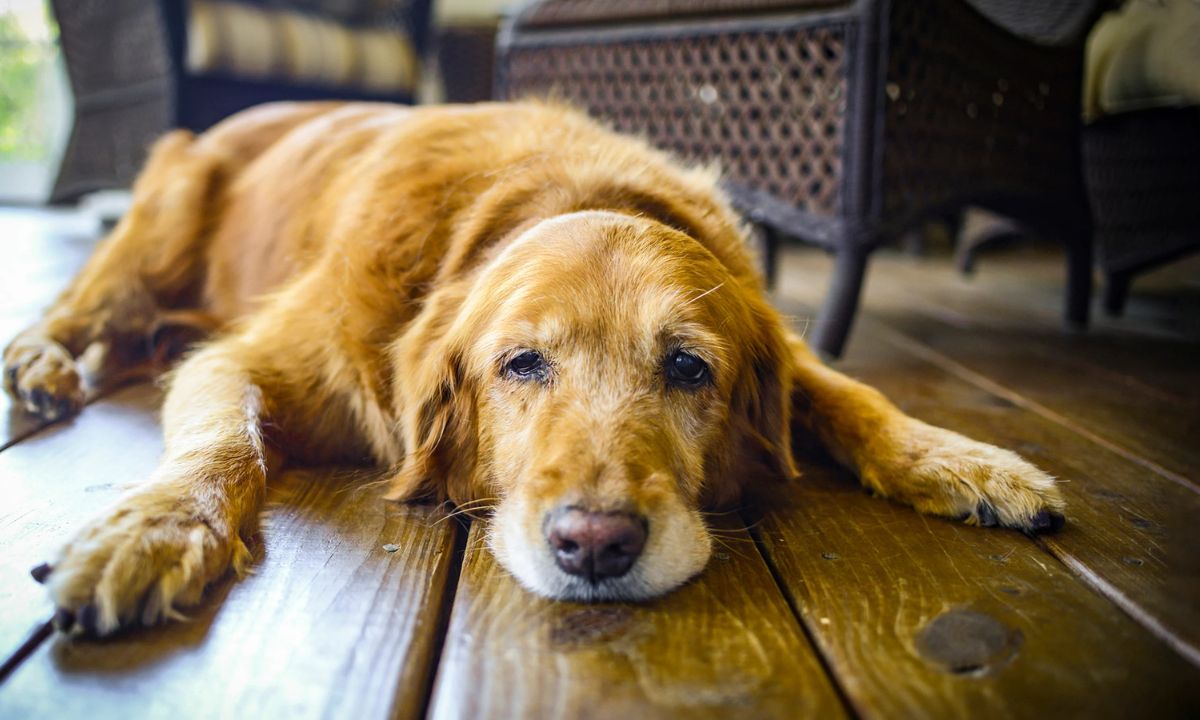
Pet owners often wonder what their animal’s age would be in “human years.” It is an interesting question because age can help us understand more than simply how many birthdays a pet has had. It can also provide useful context about growth, maturity, behaviour, activity levels, and changing care requirements.
However, converting an animal’s age into a human equivalent is not as straightforward as multiplying by a single number.
Different species develop at very different rates. A young dog, an adult cat, a parrot, and a domestic duck may all be the same chronological age while being at completely different stages of biological development.
Understanding these differences can give pet owners a more realistic picture of their animal’s life stage and help them think more carefully about age-related care.
Why the “Human Years” Idea Became Popular
The concept of human-equivalent age became popular because it provides an easy point of reference.
People naturally understand what it means for a human to be a child, young adult, middle-aged adult, or senior. Translating an animal’s age into similar terms can therefore make an unfamiliar lifespan easier to understand.
The problem is that animal aging is rarely linear.
A common example is the traditional belief that one dog year equals seven human years. Although the formula is memorable, it oversimplifies canine development. Dogs mature rapidly during their first years of life, and factors such as breed, body size, genetics, nutrition, and health can influence the aging process.
The same principle applies across the animal kingdom.
Cats, rabbits, hamsters, horses, birds, reptiles, and other companion animals all have their own developmental timelines.
That is why tools such as the Pet Age Calculator can be useful for owners who want to explore estimated human-equivalent ages across different species rather than relying on one universal formula.
Chronological Age and Biological Age Are Not the Same
One of the most important distinctions in animal aging is the difference between chronological age and biological development.
Chronological age simply describes how long an animal has been alive.
Biological age, on the other hand, relates more closely to development, physical condition, reproductive maturity, metabolism, and age-related changes.
Two animals can therefore have the same chronological age while displaying very different levels of maturity.
For example, some small mammals reach adulthood within months, while larger animals may continue developing for several years. Certain bird species mature quickly but can still live for many years afterward.
This variation is one reason pet-age conversion should be viewed as an educational estimate rather than an exact scientific measurement.
Every Species Has a Different Aging Pattern
Animal lifespans vary enormously.
Small rodents may have relatively short lifespans, while some parrots and reptiles can live for several decades. Dogs and cats fall somewhere in between, but even within the same species there can be significant variation.
Several factors influence how an animal ages, including:
- species and breed
- genetics
- body size
- diet and nutrition
- environment
- exercise and activity
- veterinary care
- housing conditions
- stress levels
- disease prevention
Because of these differences, responsible pet care should focus on the individual animal rather than depending entirely on a human-age comparison.
Human-equivalent age is most useful when it helps owners understand life stages, not when it is treated as a medical diagnosis.
Life Stage Often Matters More Than the Number
When caring for animals, life stage can be more meaningful than a single age conversion.
Most companion animals move through several broad stages of development:
Early development: Rapid physical growth, learning, socialisation, and nutritional needs are particularly important.
Adolescence or juvenile development: Behaviour may change as the animal approaches physical and reproductive maturity.
Adulthood: Growth slows, behaviour becomes more established, and long-term health maintenance becomes increasingly important.
Senior years: Mobility, metabolism, appetite, sensory function, and general health may begin to change.
Knowing which stage an animal is entering can help owners make better decisions about feeding, enrichment, housing, exercise, and routine veterinary monitoring.
Ducks Are an Interesting Example of Animal Aging
Ducks provide a particularly good example of why animal age cannot always be reduced to a simple mathematical formula.
A duck develops rapidly during its early life. Ducklings go through noticeable physical changes in a relatively short period, including feather development, increased mobility, and eventual maturity.
However, chronological age alone does not describe every aspect of a duck’s development.
Fledging, reproductive maturity, adult body condition, and later-life changes are separate biological milestones. Domestic ducks may also experience different living conditions from wild ducks, including controlled diets, secure housing, reduced predation risk, and regular human care.
These environmental differences can influence overall health and longevity.
For people keeping ducks as pets or caring for backyard flocks, a duck age calculator can offer an interesting human-equivalent estimate while also encouraging owners to think about the bird’s actual developmental stage.
The key is to treat the comparison as an educational reference rather than a literal biological conversion.
Domestic and Wild Animals May Age Differently
The environment plays an important role in animal longevity.
Wild animals face challenges that many domestic pets do not, including predators, food scarcity, disease exposure, extreme weather, competition, and injury.
Companion animals, meanwhile, often benefit from regular feeding, shelter, preventive healthcare, controlled breeding, and veterinary treatment.
This means average lifespan statistics should always be interpreted carefully.
Even within domestic populations, quality of care can make a substantial difference.
A balanced diet, species-appropriate housing, clean water, sufficient exercise, mental stimulation, and prompt medical attention all contribute to better animal welfare.
Nutrition Becomes More Important With Age
Dietary needs can change as animals mature.
Young animals typically need nutrition that supports rapid growth and development. Adult animals generally require maintenance diets suited to their activity levels, while older pets may need adjustments based on weight, mobility, digestion, or health conditions.
Overfeeding can be just as problematic as underfeeding.
Obesity in companion animals can place additional strain on joints, cardiovascular health, and overall mobility. Conversely, unexplained weight loss may indicate an underlying problem requiring veterinary attention.
Rather than changing an animal’s diet purely because of a calculated “human age,” owners should consider body condition, species-specific nutritional requirements, activity levels, and professional veterinary guidance.
Behaviour Can Also Change as Pets Mature
Aging is not only physical.
Behaviour often changes as animals move through different life stages.
Young pets may display high energy levels, curiosity, exploratory behaviour, and frequent play. Adults may develop more stable routines, while older animals may become less active or spend more time resting.
Some changes are completely normal.
Others may signal discomfort or illness.
Sudden aggression, loss of appetite, reduced mobility, excessive sleeping, unusual vocalisation, changes in drinking habits, or difficulty navigating familiar environments should not automatically be dismissed as “old age.”
Age provides context, but noticeable behavioural changes deserve attention.
Age Calculators Are Best Used as Educational Tools
Pet age calculators can make animal development easier to understand, especially for owners curious about how their pet’s lifespan compares with a human lifespan.
However, they are most valuable when used alongside other information.
An age conversion cannot measure an animal’s exact biological condition, predict lifespan with certainty, or replace professional veterinary advice.
A healthy older animal may remain active well beyond average expectations, while a younger animal may experience medical problems requiring specialised care.
The number is therefore only one part of the picture.
What Pet Owners Should Focus On
Instead of concentrating entirely on how many “human years” a pet represents, owners can pay attention to practical indicators of health and wellbeing.
These include body condition, appetite, activity, mobility, coat or feather quality, social behaviour, sleep patterns, hydration, and normal bathroom habits.
Routine health checks can also become increasingly important as animals age.
For birds and exotic pets in particular, subtle behavioural or physical changes can sometimes be easier to notice when owners understand what is normal for the species and life stage.
Final Thoughts
Animal aging is much more complex than a single conversion formula.
Every species follows its own biological timeline, and even animals within the same species may age differently depending on genetics, environment, nutrition, healthcare, and lifestyle.
Human-equivalent age estimates can still be fun and informative. They give pet owners a familiar way to think about growth, adulthood, and later life.
But the most useful question is not simply, “How old is my pet in human years?”
It is: What stage of life is my animal in, and what does it need at this stage to remain healthy and well cared for?
That perspective turns age from a curiosity into something more meaningful—an opportunity to better understand the animals that share our lives.