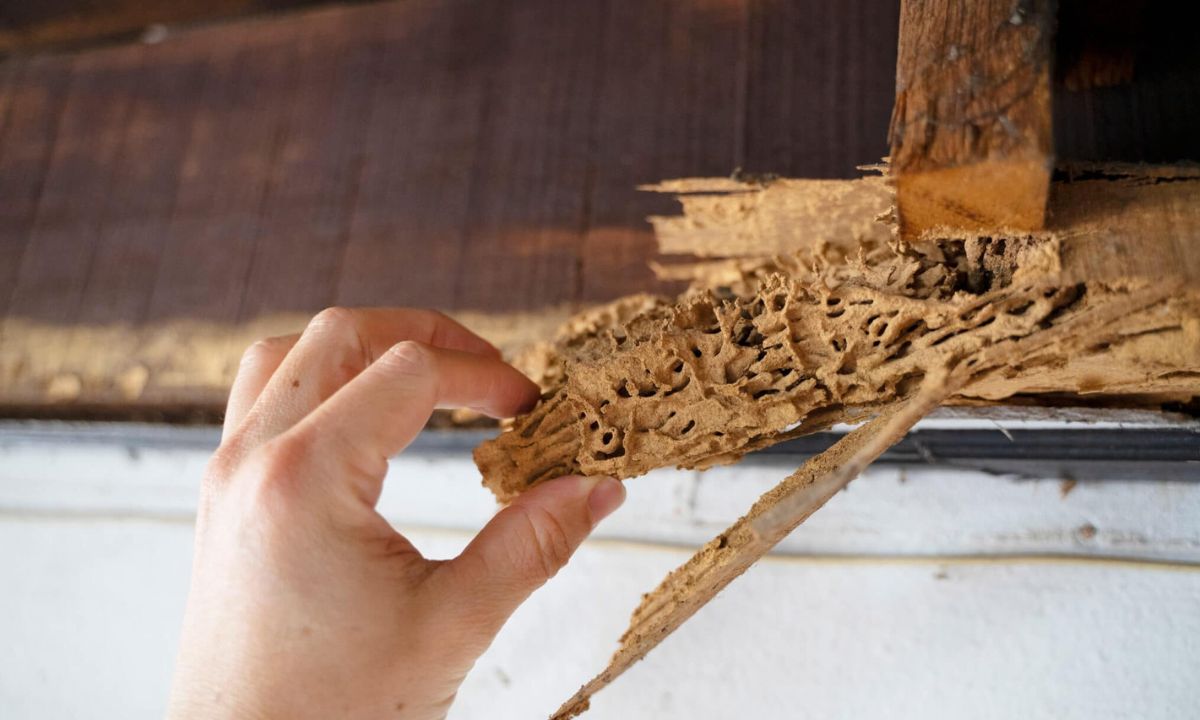
Termite prevention is an important part of protecting a property’s condition and long-term value. These small insects can damage wood and other cellulose-based materials, sometimes causing problems that remain hidden until the damage becomes noticeable. Whether you own a house, manage a rental property, or live in a condominium, understanding the expenses involved in termite prevention can help you plan ahead and avoid unexpected financial pressure.
1. Initial Termite Inspection Costs
The first step in termite prevention is understanding whether termites are present and whether the property has conditions that could attract them. A professional assessment may involve examining accessible wooden components, foundations, crawl spaces, and areas where moisture collects.
For condominium owners, a Condo inspection may help identify visible property concerns, but it may not include a specialized termite assessment. Always confirm what the service covers before booking, particularly if the building has shared structural components or a history of pest activity.
Inspection prices vary depending on the property’s size, location, accessibility, and the scope of the assessment. Some providers offer inspections as part of a broader pest control service, while others charge separately. Requesting a written quote can help you understand the fee and any additional services that may be recommended.
2. Preventive Treatment Expenses
If a property is vulnerable to termite activity, a professional may recommend preventive treatment. The appropriate method depends on local termite species, building construction, soil conditions, and the level of risk.
Possible approaches include soil treatments, baiting systems, and treatments designed for specific building components. These methods differ in how they work, how often they require monitoring, and what they cost.
Before approving treatment, ask the provider to explain:
- Why the treatment is recommended.
- Which areas will be treated.
- Whether the method is preventive or intended to address an existing infestation.
- How long the treatment is expected to remain effective.
- Whether future inspections or maintenance are included.
Avoid paying for a treatment simply because it is advertised as a standard package. A qualified professional should explain why the proposed approach suits your property and what results you can reasonably expect.
3. Moisture Control and Drainage Improvements
Moisture management is another important part of termite prevention. Many termite species depend on moisture or are more likely to thrive where damp conditions are present. Leaking pipes, blocked gutters, poor drainage, and persistent dampness can therefore increase concerns around a property.
The cost of correcting moisture problems depends on their source. Replacing a damaged faucet washer may be inexpensive, while repairing a leaking pipe behind a wall or improving drainage around a foundation may require more substantial work.
Common preventive improvements include:
- Repairing plumbing leaks promptly.
- Cleaning gutters and downspouts.
- Directing rainwater away from the building.
- Improving ventilation in suitable enclosed spaces.
- Fixing drainage problems that leave soil persistently wet.
Addressing moisture problems can help reduce conditions that attract pests while also protecting the property from other forms of water damage.
4. Repairs to Wood and Other Vulnerable Materials
Some termite prevention plans involve repairing damaged or vulnerable building materials. Wood that remains in direct contact with soil, deteriorating exterior trim, and untreated wood stored close to a building may create additional concerns.
The cost of repairs depends on the extent of the problem and the materials involved. Replacing a small section of damaged trim may be straightforward, while repairing concealed structural wood can require specialist assessment and more extensive work.
If termite damage is suspected, have a qualified professional determine whether the material is structurally sound. Do not assume that applying a preventive product will restore wood that has already lost strength.
It is also useful to keep firewood, untreated timber, and similar materials stored appropriately and away from the building where practical. These small maintenance habits may reduce opportunities for termites to approach the property unnoticed.
5. Monitoring Systems and Follow-Up Visits
Termite prevention is not always a one-time expense. Some treatment systems require periodic checks to determine whether they are functioning properly and whether termite activity has changed.
Depending on the service, follow-up costs may cover bait station monitoring, treatment adjustments, renewed applications, or additional inspections. Ask whether these visits are included in the original price or billed separately.
A service agreement should explain the recommended inspection schedule and any conditions attached to a warranty. For example, coverage may depend on completing required follow-up visits or maintaining particular site conditions.
Comparing the total cost over several years can be more useful than comparing initial quotes alone. A lower upfront price may not represent the best value if essential monitoring or maintenance is excluded.
6. Understanding Inspection Prices and Service Quotes
When budgeting for termite prevention, property owners often research the average cost of termite inspection to understand what they might need to spend. However, there is no single price that applies to every property. Local labor rates, building size, accessibility, and the type of inspection can all influence the final quote.
Ask at least two qualified providers for estimates when practical. Make sure each quote covers a comparable scope of work, and clarify whether the price includes written findings, follow-up recommendations, or additional testing.
Be cautious of unusually low offers that do not explain what is included, as well as high-pressure sales tactics that encourage immediate treatment without clear evidence. A professional assessment should provide enough information for you to understand the concern and consider your options.
7. Insurance, Warranties, and Possible Exclusions
Another expense-related consideration is whether your insurance policy or treatment agreement covers termite damage or future activity. Standard homeowners insurance policies often exclude damage caused by pests, including termites, although coverage varies by policy and location.
Read your policy rather than assuming repairs will be covered. Ask your insurer to explain relevant exclusions, limitations, and any available options for additional protection.
Similarly, review termite treatment warranties carefully. A warranty may cover retreatment under specific conditions without paying for structural repairs. Understanding the distinction can help you plan for costs that might remain your responsibility.
Keep copies of inspection reports, invoices, treatment records, and warranty documents. Organized records make it easier to track maintenance and discuss any future concerns with service providers.
8. Create a Practical Termite Prevention Budget
A useful prevention budget should include the initial assessment, recommended treatments, moisture repairs, maintenance, and any scheduled follow-up visits. If your property has a history of termite activity, consider setting aside additional funds for unexpected findings.
You can also reduce avoidable expenses through routine property maintenance. Inspect accessible areas periodically, repair leaks, maintain drainage, and address visible deterioration before it worsens.
However, prevention should not rely entirely on do-it-yourself methods. If you notice mud tubes, discarded wings, damaged wood, or other suspicious signs, arrange a professional assessment to establish what is happening and determine the appropriate response.
Conclusion
Termite prevention involves more than treatment fees. Inspections, moisture control, repairs, monitoring, and warranties can all affect your budget. By comparing written quotes, maintaining your property, and addressing concerns early, you can plan expenses more effectively and protect your investment against avoidable termite-related damage.