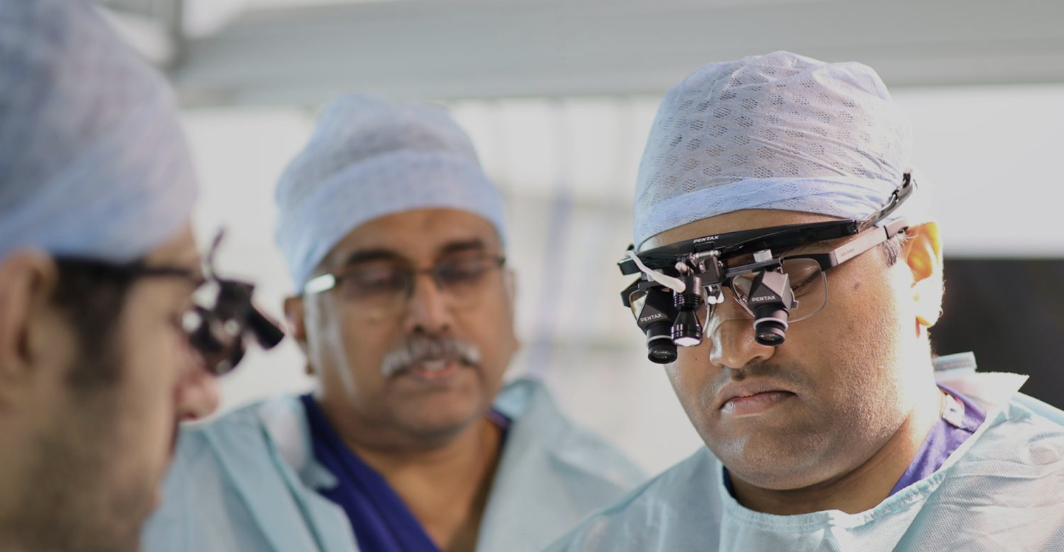
As we age, the natural elasticity of our skin decreases, leading to sagging jawlines and deeper facial creases. Many individuals seeking a refreshed appearance turn to surgical options to restore their youthful contours. Consulting a qualified facial plastic surgeon in UK clinics represents the first step toward achieving natural-looking rejuvenation. Modern aesthetic surgery has progressed far beyond the tight, pulled looks of previous decades. Today, British surgeons employ sophisticated techniques that respect the unique anatomy of each patient. This guide explains how leading aesthetic specialists plan and execute facelift procedures, helping you understand what to expect during your surgical journey.
The Pre-Surgical Consultation and Facial Analysis
The Initial Consultation
Before any surgical incisions are made, a comprehensive evaluation takes place. A reputable facial plastic surgeon in UK practices will begin with a detailed consultation to assess your bone structure, skin quality, and underlying muscle laxity. This initial assessment is crucial because no two faces age in the same manner. Surgeons examine the midface, jawline, and neck to determine the most appropriate surgical approach for your specific anatomy. They also evaluate skin elasticity and the degree of volume loss, which often occurs as fat pads shift over time.
Bespoke Surgical Planning
During this meeting, the surgeon discusses your medical history, lifestyle factors, and aesthetic goals. They use high-resolution photography and sometimes three-dimensional imaging to demonstrate potential outcomes. This collaborative planning stage ensures that the surgical strategy aligns with your expectations while maintaining realistic boundaries of what surgery can achieve. British specialists emphasise a bespoke approach, tailoring the procedure to address specific areas of concern rather than applying a one-size-fits-all method. By understanding your unique facial architecture, the surgeon can preserve your natural character while turning back the clock. This meticulous preparation minimises risks and sets the stage for a successful, predictable outcome that enhances your features.
Traditional SMAS Facelift Techniques
Understanding the SMAS Layer
Transitioning from the planning phase to the operating theatre, the choice of surgical technique depends heavily on the patient’s degree of tissue laxity. The gold standard for comprehensive facial rejuvenation remains the SMAS (Superficial Musculoaponeurotic System) facelift. The SMAS is a deep layer of tissue that drapes over the facial muscles. Rather than simply pulling the skin tight, which can create an unnatural appearance, the surgeon lifts and repositions this deeper muscular layer.
The Incision and Lifting Process
To access the SMAS, the surgeon makes discreet incisions that typically start in the hairline at the temples, continue around the front of the ear, and extend behind the earlobe. Through these incisions, the surgeon gently separates the skin from the underlying tissue. Once the SMAS layer is exposed, it is elevated, tightened, and secured with permanent sutures. This structural elevation provides a stable foundation for the overlying skin, which is then draped gently over the new contours. Any excess skin is carefully trimmed away before the incisions are closed with fine sutures. By placing incisions along natural skin creases and hairlines, surgeons ensure that post-operative scars remain virtually invisible once fully healed. This technique effectively addresses jowls, sagging cheeks, and loose neck skin, offering long-lasting results that age gracefully with the patient.
Minimal Access Cranial Suspension (MACS) Facelift
A Less Invasive Alternative
For patients requiring less extensive correction, modern surgery offers minimally invasive alternatives that deliver impressive results with reduced downtime. The MACS Facelift is a highly popular option among individuals experiencing mild to moderate sagging in the lower face and jawline. This technique utilises shorter incisions that do not extend behind the ear, which significantly limits visible scarring and shortens the recovery period.
How the Vertical Suspension Works
During a MACS Facelift, the surgeon accesses the deeper tissues through an incision made solely in front of the ear, extending slightly upward into the temple hairline. Instead of dissecting a large area of skin, the surgeon uses special permanent looping sutures to lift and suspend the sagging facial tissues vertically. This vertical suspension counteracts the downward pull of gravity more directly than traditional horizontal pulling methods. Because the surgical field is smaller, patients experience less swelling, bruising, and discomfort after the procedure. This technique is particularly suited for younger patients in their forties or fifties who want to address early signs of ageing without undergoing a full SMAS lift. It provides a refreshed, rested appearance while allowing a quicker return to daily activities.
Combining Procedures for Harmonious Results
Restoring Volume and Balance
To achieve a truly balanced and harmonious outcome, a skilled UK-based facial plastic surgeon often combines a facelift with complementary procedures. While a standard lift or a minimal-access lift addresses the lower two-thirds of the face, it does not correct volume loss or ageing around the eyes and forehead. Addressing these adjacent areas simultaneously prevents an unbalanced appearance where one part of the face looks significantly younger than another.
Addressing the Neck and Eyes
Common companion procedures include blepharoplasty (eyelid surgery) to correct drooping eyelids and under-eye bags, and brow lifts to elevate descending eyebrows. Additionally, fat grafting has become a standard addition to modern facial surgery. Surgeons harvest fat from another area of the body, purify it, and micro-inject it into areas that have lost volume, such as the cheeks, temples, and tear troughs. This restores the youthful fullness that lifting alone cannot achieve. For patients with significant neck laxity, a dedicated neck lift can be integrated to tighten the platysma muscles and remove stubborn fat beneath the chin. Combining these techniques allows the surgeon to address all aspects of facial ageing in a single operation, reducing overall recovery time and producing a seamless, natural rejuvenation.
Conclusion
Undergoing a facelift is a significant decision that requires a clear understanding of the available surgical techniques and realistic expectations. Whether you opt for a comprehensive SMAS lift or a less invasive MACS Facelift, the success of the procedure relies heavily on the skill and artistry of your chosen specialist. Consulting a board-certified facial plastic surgeon in UK practices ensures that you receive personalised care tailored to your unique anatomy and aesthetic goals. Modern facial surgery focuses on restoring structure and volume rather than simply pulling the skin, resulting in natural-looking outcomes that stand the test of time. By choosing an experienced surgeon, you can confidently take the next step toward a refreshed, youthful appearance.