Understanding Cosmetic Treatments in Birmingham Clinics
Cosmetic treatments continue to grow in popularity across Birmingham as more people seek procedures that support personal appearance goals and confidence. Among the most requested treatments are tattoo removal in Birmingham and breast reaugmentation procedures. While these treatments address very different concerns, both involve corrective or revision-based approaches designed to improve previous cosmetic outcomes or adapt to changing personal preferences.
Tattoo removal focuses on reducing or eliminating unwanted tattoos using advanced laser technology, while breast reaugmentation involves replacing or revising existing breast implants to improve appearance, comfort, or implant performance.
Both procedures require careful consultation, realistic expectations, and professional assessment to determine the most suitable treatment approach.
Understanding Tattoo Removal in Birmingham
Why People Choose Tattoo Removal
There are many reasons why individuals seek tattoo removal. Some people no longer identify with older tattoos, while others may wish to remove tattoos for professional, cosmetic, or lifestyle reasons. In some cases, tattoos may fade unevenly or have been poorly applied, leading to dissatisfaction with the final appearance.
Modern laser technology has made tattoo removal more effective than in previous decades, although complete removal can still vary depending on factors such as ink colour, tattoo depth, and skin type.
How Laser Tattoo Removal Works
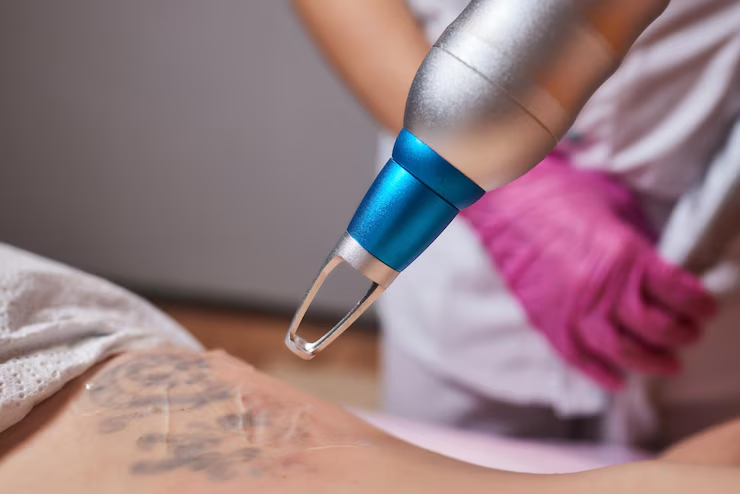
Tattoo removal in Birmingham is most commonly performed using laser technology. The laser delivers short pulses of light energy into the skin, targeting tattoo pigment beneath the surface.
The pigment absorbs the laser energy and breaks into smaller particles. Over time, the body’s immune system gradually removes these fragmented ink particles naturally.
Different laser wavelengths may be used depending on the tattoo colours involved. Darker colours such as black and dark blue usually respond more effectively, while lighter colours can be more difficult to treat.
Multiple Sessions Are Usually Required
Tattoo removal is generally completed over a series of sessions rather than one treatment. This is because the body needs time to process and remove broken-down pigment between appointments.
The number of sessions required depends on:
- Tattoo size
- Ink colours
- Tattoo age
- Skin type
- Ink depth and density
Some tattoos fade significantly after a few sessions, while others require longer treatment plans.
What to Expect During Tattoo Removal
Consultation and Assessment
Before treatment begins, the practitioner assesses the tattoo and skin condition. They may discuss expected outcomes, risks, and the likely number of sessions required.
This consultation helps establish realistic expectations because complete removal is not always guaranteed.
Treatment Sensation and Recovery
During laser treatment, many people describe the sensation as similar to an elastic band snapping against the skin. Cooling systems or numbing options may be used to improve comfort.
After treatment, temporary redness, swelling, or blistering may occur. Proper aftercare is important to support healing and reduce complications.
Potential Side Effects
As with any cosmetic procedure, tattoo removal carries some risks. These may include:
- Temporary pigmentation changes
- Mild scarring
- Skin sensitivity
- Incomplete pigment removal
Professional treatment and proper aftercare help minimise these risks.
Understanding Breast Reaugmentation
What Is Breast Reaugmentation?
Breast reaugmentation is a revision procedure performed on individuals who have previously undergone breast augmentation surgery. The procedure involves replacing existing implants or adjusting previous surgical outcomes.
People may choose breast reaugmentation for several reasons, including:
- Desire for a different implant size
- Implant ageing or wear
- Changes in breast shape over time
- Implant rupture or complications
- Cosmetic dissatisfaction with previous results
The procedure may also involve correcting implant positioning or addressing asymmetry.
Why Breast Revision Procedures Are Common
Breast implants are not considered lifetime devices. Over time, implants and surrounding tissue can change due to ageing, weight fluctuations, pregnancy, or natural tissue movement.
As a result, some individuals choose revision procedures years after their original surgery to maintain comfort or achieve updated cosmetic goals.
Types of Breast Reaugmentation Procedures
Implant Replacement
One of the most common forms of breast reaugmentation involves replacing old implants with new ones. Patients may choose to increase or decrease implant size or switch implant types depending on personal preference and anatomical considerations.
Implant Position Correction
In some cases, implants may shift position over time. This can affect breast symmetry or contour. Revision surgery may help reposition implants to improve balance and appearance.
Capsular Contracture Treatment
Capsular contracture occurs when scar tissue around the implant tightens excessively, which may lead to firmness, discomfort, or shape distortion. Breast reaugmentation can involve removing or adjusting this scar tissue while replacing the implant if necessary.
Combination Procedures
Some revision surgeries also include breast lift procedures to address skin laxity or changes in breast position. Combining procedures may help improve overall shape and support.
What to Expect During Breast Reaugmentation Consultation
Assessing Existing Implants and Tissue
During consultation, the surgeon evaluates implant condition, breast tissue quality, skin elasticity, and overall goals. Imaging or additional assessments may sometimes be required depending on implant age and symptoms.
Discussing Goals and Expectations
A detailed discussion helps determine whether implant replacement, repositioning, or additional procedures are suitable. Factors such as body proportions, desired appearance, and recovery expectations are carefully considered.
Recovery Planning
Recovery after breast reaugmentation varies depending on the extent of revision performed. Patients are usually advised to avoid strenuous activity during the initial healing period while swelling settles and tissues recover.
Comparing Tattoo Removal and Breast Reaugmentation
Although tattoo removal in Birmingham and breast reaugmentation are very different procedures, they share several similarities in cosmetic care.
Both Focus on Revision or Correction
Tattoo removal aims to remove or improve previous body art decisions, while breast reaugmentation addresses changes or concerns related to earlier breast surgery.
Both Require Personalised Treatment Plans
Each procedure is tailored to individual goals, anatomy, skin condition, or previous cosmetic work. There is no single approach suitable for every person.
Both Involve Gradual Results
Tattoo removal develops gradually over multiple sessions, while breast reaugmentation results improve progressively as swelling settles and healing occurs.
Choosing a Qualified Birmingham Clinic
When considering cosmetic treatments, choosing an experienced clinic is important for safety and realistic outcomes. Qualified practitioners should provide:
- Detailed consultations
- Honest discussions about limitations and risks
- Clear aftercare instructions
- Appropriate treatment planning
Patients should also ensure that procedures are performed in regulated clinical environments.
Conclusion
Tattoo removal in Birmingham and breast reaugmentation are two widely requested cosmetic treatments designed to revise or improve previous cosmetic choices. Tattoo removal uses laser technology to gradually reduce unwanted ink, while breast reaugmentation focuses on replacing or correcting existing breast implants to improve appearance or comfort.
Both treatments require careful assessment, realistic expectations, and personalised planning to achieve safe and effective outcomes. With professional guidance and proper aftercare, these procedures can help individuals feel more comfortable and confident in their appearance over time.
READ ALSO: How Facial Plastic Surgeons In The UK Perform Facelift Procedures