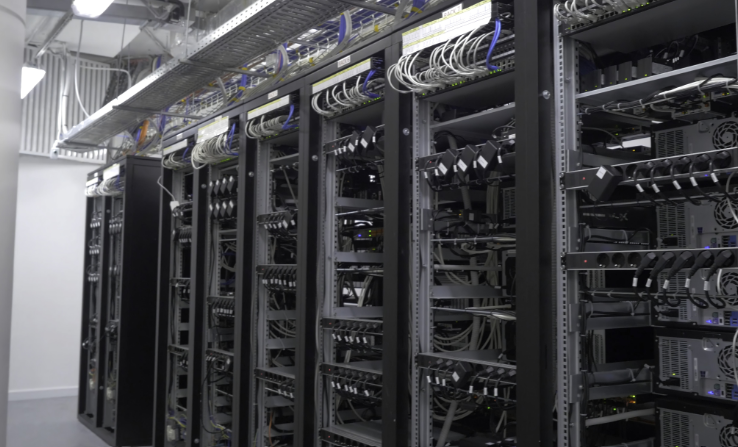
Upgrading data centre infrastructure is a regular part of keeping up with modern tech demands. But once the new gear is racked and running, you’re often left with stacks of older, functional servers taking up space. Leaving perfectly good hardware to sit idle and collect dust is effectively letting money evaporate. If you want to recoup value before that kit becomes obsolete, the smart move is to sell used servers while their secondary market value is still high.
Idle Servers Lose Value Over Time
Selling used servers is a great way to recoup some of your server hardware investment. All server hardware depreciates over time due to the introduction of newer CPU generations, memory standards and storage technologies. So even if your servers still operate well, they’re not necessarily appealing to anyone if you have outdated specifications. The longer your servers remain idle, the less they’ll be worth to potential buyers.
Storing servers also carries its own expenses. Not only do organisations have to cover costs such as storage space, managing inventory and eventual disposal, but they also miss out on the potential to gain anything from those idle assets. Idle servers continue to represent an investment without providing anything to support your business operations. The earlier you look to offload surplus assets, the better your chance of being able to sell to an interested party before your market window closes.
Resale Can Support Infrastructure Investment
Engaging in a server buyback process is an excellent way to recoup some of your investment in hardware that you’re replacing as part of your next data centre refresh. Any money you get back through selling can help offset costs for new servers, new networking equipment or other infrastructure that you need to purchase to replace the hardware you’re retiring. It’s rare that reselling servers will completely offset the price of new hardware, but any money you receive can help lower your out-of-pocket costs on upgrades.
The amount that you can get from the sale of your servers depends on a variety of factors, such as age, specs, condition and how in-demand your hardware is at the time of the sale. Enterprise-class hardware with highly desirable CPUs, RAM, and storage may provide better value over time than older or less mainstream hardware. The more detailed your asset list is in terms of providing serial numbers and specs, the better your equipment can be assessed to establish its value.
What to Expect From a Buyback
Buyers will often ask for an inventory list so they can assess what equipment you’re looking to sell. They will typically want details such as server models, number of units, configurations, whether or not your equipment is in working condition, and if anything is missing (such as parts). Once the buyer assesses your list, they can offer an estimated price, pending an inspection.
Be sure that prior to the equipment being picked up, you verify that their offer includes services such as shipping, testing and secure data sanitisation. Storage devices hold sensitive data; hard drives and SSDs should either be securely sanitised using appropriate methods or destroyed to meet data protection requirements. Ask for paperwork that demonstrates how your hardware and removed storage devices are managed to provide you peace of mind.
Once you come to terms on price and pickup, be sure to get any agreements for payment terms, pickup timeframe or changes in the offer pending an inspection in writing so there are no surprises in the final offer you receive.
Make Surplus Hardware Part of the Upgrade Plan
A server buyback initiative can help offset the costs of periodic data centre upgrades and refreshes, allowing the process to become an economically sound part of the business infrastructure planning cycle. We suggest checking your inventory lists at the start of an upgrade process and taking the time to identify assets that can be resold, then obtaining quotes early.