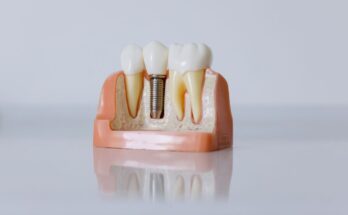
Composite bonding is a direct cosmetic dental treatment. It uses tooth coloured composite resin to change the shape, colour, length or surface of a tooth. For anyone considering Composite Bonding Newcastle, the process is often simpler than it sounds. It usually begins with an assessment and ends with careful polishing. This article explains what happens, who may benefit, how long it can last and how it compares with other options.
What composite bonding is
Composite bonding is sometimes called cosmetic bonding. A dentist places a tooth coloured composite material directly onto the visible surface of a tooth. The material is shaped and then hardened with a dental curing light. Unlike a crown or a porcelain veneer, the treatment does not usually need a custom made shell. It is built directly on the tooth in many cases. Composite Bonding Newcastle treatment is commonly used for small or moderate cosmetic changes rather than major dental reconstruction.
What composite resin is
Composite resin is a resin based dental material. It is not metal and not porcelain. It comes in different shades, so a dentist can choose a colour that blends with the natural teeth. The material can be applied in thin layers. This helps the dentist build up the tooth gradually and create a more natural look. Dental composite is also used in some fillings, but cosmetic bonding and a filling are not always the same. A filling usually restores tooth structure after decay or damage. Cosmetic bonding usually improves appearance, although the two can overlap.
What composite bonding can improve
Composite bonding is generally considered for minor cosmetic concerns. It may help with:
- Small chips or minor fractures
- Slight cracks in the visible surface of a tooth
- Small gaps between teeth
- Mild discolouration or staining
- Uneven tooth edges
- Teeth that look short or worn at the edge
- Slight changes in tooth shape
- Minor cosmetic unevenness
In cosmetic dentistry, Composite Bonding Newcastle may be used on one tooth or a small group of teeth. It is not usually intended for a full mouth rebuild. A dentist will assess whether the concern is mainly cosmetic or whether there is a deeper dental health issue that needs treatment first.
Who may be suitable
A person may be suitable if they:
- Have a small chip, crack, gap or uneven edge
- Want a change in tooth shape, length or colour
- Prefer a less invasive option than some other cosmetic treatments
- Have healthy teeth and gums overall
- Understand that the result depends on the condition of the tooth
Suitability is not decided by appearance alone. A dentist needs to check the tooth, the bite and the gums. Not everyone is a candidate for Composite Bonding Newcastle. The treatment works best when the problem is limited and the underlying tooth is strong.
When it may not be the best option
Composite bonding is not right for every dental problem. It may be less suitable for:
- Large areas of damage
- Teeth with deep cracks or structural weakness
- Active tooth decay
- Untreated gum disease
- Severe tooth wear
- Heavy teeth grinding or clenching
- Significant crowding or misalignment
- A complete smile makeover across many teeth
In some cases, orthodontic treatment, a crown, a filling or porcelain veneers may be more appropriate. Composite bonding changes the visible shape of a tooth. It does not move a tooth into a different position. If the main concern is crooked teeth, orthodontics may be needed.
The first step: consultation and assessment
The Composite Bonding Newcastle process usually begins with a consultation. The dentist examines the teeth and gums. They discuss what the patient wants to change. Photographs, notes or dental scans may be used in some practices. The aim is to decide whether bonding is suitable and what result is realistic. A dental health check comes first. If decay, gum disease or another problem is found, that may need attention before cosmetic work begins. The consultation is also a chance to ask questions about the material, the number of visits and aftercare.
Step two: shade selection
Composite resin comes in many shades. The dentist chooses a shade that matches the natural teeth. In some cases, more than one shade is used. This helps the restoration blend with the enamel and dentine. Shade selection matters because composite can be shaped and polished to reflect light in a natural way. The surrounding teeth, the lighting and the patient’s natural tooth colour all play a part.
Step three: cleaning and preparation
The tooth is cleaned before bonding. Plaque and surface debris need to be removed. In many cases, preparation is minimal. Some patients need little or no drilling. However, this depends on the tooth and the planned treatment. A dentist cannot promise that no enamel will ever be touched. If the tooth needs slight preparation, the dentist will explain why. The goal is to create a clean surface that the composite can attach to safely.
Step four: conditioning the tooth surface
A conditioning gel or liquid may be applied to the tooth. This prepares the surface for the bonding material. In simple terms, it helps the composite resin stick to the tooth. The dentist then applies a bonding agent. This stage is quick, but it is important. Without proper conditioning and bonding, the composite may not stay in place as well. Different dental systems can use slightly different products and steps.
Step five: applying the composite resin
The tooth coloured composite is applied to the tooth. It is often placed in thin layers. This allows the dentist to control the shape and colour. The material is soft at this stage, so it can be moved and shaped. The dentist builds up the tooth until the desired form is reached. This may mean filling a chip, closing a small gap, changing an edge or adding a little length. The process is careful and gradual.
Step six: shaping and moulding
Once the composite is in place, the dentist shapes it. Small instruments are used to create the outline, contour and surface texture. The aim is to make the tooth look natural next to the neighbouring teeth. The shape must also work with the bite. If the composite is too high or too thick, it can feel uncomfortable. The dentist will check this during treatment. Shaping affects both appearance and comfort.
Step seven: light curing
A dental curing light is used to harden the composite. The light sets the material so it becomes strong enough for normal use. The dentist may apply the composite in stages. Each layer is often cured before the next one is added. This gives more control over the final result. Light curing is a standard part of direct composite treatment. It is usually painless and quick.
Step eight: polishing and final checks
After the composite has hardened, the dentist polishes it. Polishing creates a smooth surface. This helps the tooth feel natural and can make the composite blend better with the enamel. The dentist also checks the bite. The patient may be asked to close their teeth together gently. If any part feels high, it can be adjusted. The final result should look balanced and feel comfortable.
How long treatment takes
Composite bonding is often described as a quick treatment. A single small repair may take less time than a larger cosmetic change. If several teeth are treated, the appointment will usually be longer. Some cases can be completed in one visit. Other cases may need more than one appointment, especially if the treatment is complex or if dental health issues need to be addressed first. There is no single time that fits every patient. The dentist can give a realistic estimate after the assessment.
Does it hurt
Many people do not need anaesthetic for simple composite bonding. The treatment is usually not painful because the tooth is not being drilled deeply. However, some patients may need local anaesthetic if the tooth is sensitive or if the treatment is close to the gum line. The need for anaesthetic depends on the individual case. A dentist will discuss this before treatment. No one should feel embarrassed about asking for comfort measures.
Caring for composite bonding
After Composite Bonding Newcastle, good daily care helps the material last longer. Patients are often advised to:
- Brush twice a day with fluoride toothpaste
- Use a soft or medium toothbrush
- Clean between the teeth with floss or interdental brushes
- Avoid biting very hard foods or objects
- Limit staining drinks such as coffee, tea and red wine
- Avoid smoking or tobacco use
- Wear a night guard if grinding is a problem
- Attend regular dental check ups
Composite can stain over time, especially if oral hygiene is poor or if a person smokes. It can also chip if it is put under heavy force. Good habits reduce the risk, but they cannot remove it completely.
How long composite bonding lasts
The lifespan of Composite Bonding Newcastle treatment varies. Many estimates place composite bonding at around five to ten years, but this is only a guide. Some repairs last less time. Others last longer. Longevity depends on:
- The size and position of the bonding
- The patient’s bite
- Oral hygiene
- Diet
- Smoking
- Teeth grinding
- Regular dental reviews
Composite is not as strong as porcelain. It can wear, stain or chip. Small touch ups may be possible. If the bonding is damaged badly, it may need to be replaced. A dentist can check the bonding at routine appointments and advise on repair or replacement.
Repair or replacement
Composite bonding can often be repaired. If a small edge chips, the dentist may be able to add more composite and reshape it. If the bonding is stained, polishing may help. If the material is worn or broken over a larger area, replacement may be better. The decision depends on the condition of the tooth and the bonding. A repair is not always possible, but replacement is not always needed either. A dental assessment will show which option is suitable.
Composite bonding compared with porcelain veneers
Composite bonding and porcelain veneers are both cosmetic dental treatments, but they are different.
1. Material: Composite bonding uses tooth coloured composite resin. Porcelain veneers use custom made ceramic shells.
2. Tooth preparation: Composite bonding often requires minimal preparation. Porcelain veneers may require some enamel removal.
3. Treatment time: Composite bonding can often be completed more quickly. Porcelain veneers usually need to be made in a dental laboratory, so they may take longer.
4. Durability: Porcelain veneers generally last longer than composite bonding.
5. Repair: Composite bonding can often be repaired or added to. Porcelain veneers are harder to repair if they break.
6. Staining: Composite can stain over time. Porcelain is more resistant to staining.
7. Suitable cases: Composite bonding is often used for small changes. Porcelain veneers may be better for larger cosmetic changes or where a longer lasting result is wanted.
Compared with porcelain veneers, Composite Bonding Newcastle treatment is often seen as a more conservative first step for minor imperfections. However, it is not a universal replacement for veneers. A dentist should explain the pros and cons for the individual case.
Final considerations
Composite bonding can be a useful option for small chips, gaps, uneven edges and mild discolouration. It is usually quick, and it can often be done with minimal preparation. It is not suitable for every problem. It may need care, maintenance and eventual repair. Longevity is not guaranteed, and results vary from person to person. Anyone considering this treatment should book a consultation, ask about suitability and discuss aftercare. A clear plan and realistic expectations help protect both the smile and the health of the teeth.
READ ALSO: Birmingham Cosmetic Treatments: Tattoo Removal And Breast Revision