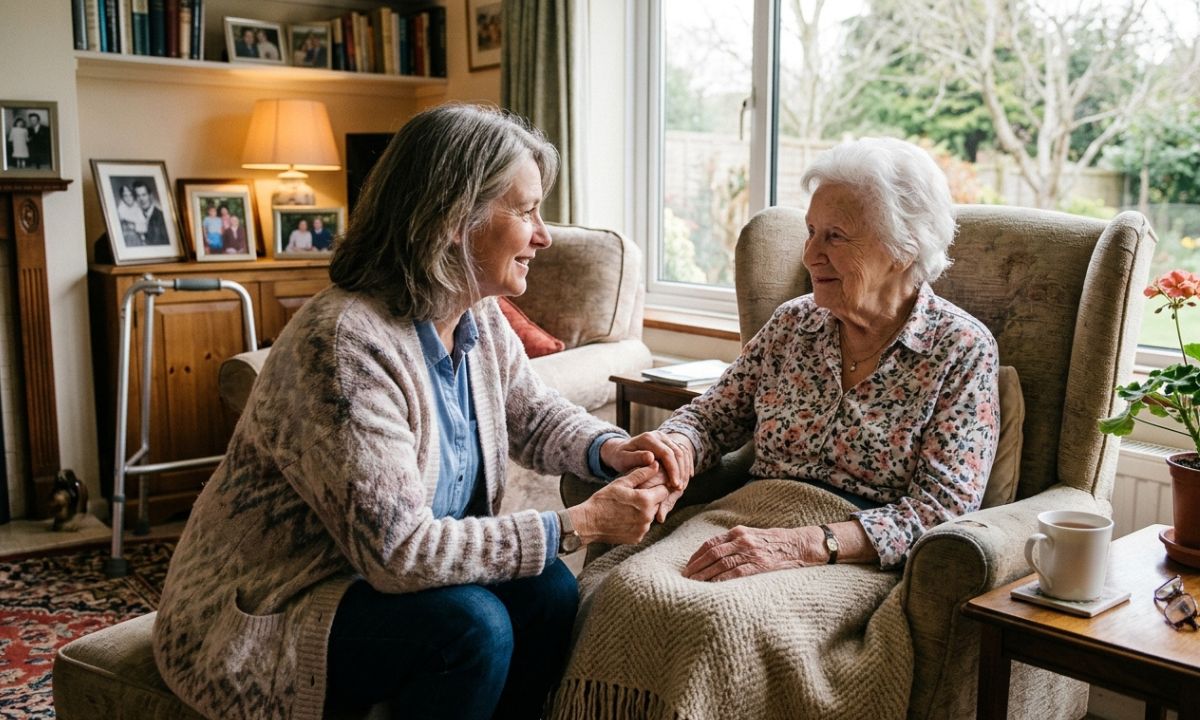
Caring for an aging parent looks different when you are the only child in the picture. There is no sibling to split responsibilities with, no one else to call when a decision feels heavy, and no built-in partner for the emotional weight that often comes with this role. While many resources address family caregiving as a group effort, only children face a distinct set of circumstances. Understanding these realities early can make the experience more manageable and help preserve both your well-being and your parent’s dignity throughout the process.
You Are the Sole Decision-Maker, and That Carries Weight
When siblings share caregiving duties, decisions are often discussed and divided among several people. As an only child, that responsibility falls entirely on you. Choices about medical care, finances, and living arrangements will typically rest on your judgment alone, which can feel isolating even when you are confident in your choices. It helps to build a support network outside the family, such as a trusted friend, a care manager, or a support group for only children in caregiving roles. Having someone to talk through decisions with, even if they are not the one making the final call, can ease the pressure and provide useful perspective.
Burnout Happens Faster Without Shared Responsibility
Caregiver burnout is a real concern for anyone supporting an aging parent, but it tends to develop more quickly when there is no one to share the load. Tasks like coordinating appointments, managing paperwork, and simply being available during a crisis can consume significant time and energy. Recognizing the early signs of burnout, such as persistent fatigue, irritability, or a sense of dread around caregiving tasks, is important. Setting boundaries around your availability and asking for help from professionals rather than trying to handle everything yourself is not a failure. It is a practical way to sustain your ability to support your parent over the long term.
Professional Support Can Fill the Gap Siblings Would Normally Provide
Without siblings to divide responsibilities, many only children find that professional support becomes an important part of the caregiving plan. This might include a geriatric care manager who helps coordinate medical appointments, a financial advisor familiar with senior planning, or in-home support for daily tasks. As needs increase, some families explore senior living options that offer more consistent support than one person can provide alone. Communities offering Assisted Living in Anderson, SC can be a useful option to research, as they provide daily support with meals, medication reminders, and personal care while still allowing residents to maintain their own routines and choices. Learning the differences between Assisted Living, Memory Care, Personal Care, and Independent Living early on can make future conversations with your parent more informed and less rushed.
Your Parent’s Voice Still Belongs at the Center of Every Decision
It can be tempting, especially when carrying full responsibility, to make decisions quickly and move forward without much discussion. But your parent’s preferences and opinions matter just as much now as they did before caregiving began. Involving them in conversations about their own care, even when the topics are difficult, supports their sense of autonomy and helps preserve trust between you. If your parent has concerns about a decision, take time to understand why rather than assuming resistance is simply stubbornness. Respecting their input, even when you ultimately need to make the final call, keeps the relationship collaborative rather than one-sided.
Planning Ahead Reduces Pressure Later
Many only children find themselves making urgent decisions during a health crisis simply because conversations about the future were postponed. Discussing your parent’s wishes for medical care, finances, and living arrangements before they become urgent gives everyone more clarity and reduces stress later. These conversations do not need to happen all at once. Small, ongoing discussions over time tend to feel more natural than a single, heavy conversation. Documenting your parent’s preferences and keeping important paperwork organized in advance also makes it easier to act quickly and confidently if circumstances change.
Caring for an aging parent as an only child comes with unique demands, but it does not mean you have to manage everything without support. Building a network of professional resources, setting realistic boundaries, and keeping your parent involved in decisions can make the experience more sustainable. With thoughtful planning and a willingness to ask for help when needed, only children can provide meaningful, respectful care while also protecting their own well-being along the way.