Choosing the right way to replace missing teeth can feel overwhelming. Many people in Middlesbrough wonder whether dental bridges or dental implants Middlesbrough offer the best long-term solution. Both treatments restore function and appearance, but they work differently, suit different needs, and come with their own considerations.
This article breaks down how each option works, who they may suit, and what to expect during treatment and aftercare. The goal is to help readers make an informed decision based on their oral health, lifestyle, and long-term goals.
The Main Options for Replacing Missing Teeth
Missing teeth affect more than just appearance. They can make eating difficult, change the way a person speaks, and even lead to further oral health issues over time. Replacing them helps maintain the natural alignment of remaining teeth, supports jawbone health, and restores confidence in a smile.
Two of the most common solutions for replacing missing teeth are dental bridges and dental implants. While both can be effective, they differ in how they are placed, how long they last, and the level of care they require.
What Are Dental Bridges?
Dental bridges are a well-established way to replace one or more missing teeth. They consist of one or more artificial teeth, known as pontics, which are anchored in place by crowns fitted over the natural teeth on either side of the gap. These supporting teeth are often referred to as abutments.
How a Bridge Works
A traditional bridge relies on the strength of the adjacent teeth to hold the pontic in place. The process typically involves:
- Preparing the abutment teeth by reshaping them to accommodate the crowns
- Taking impressions to create a custom-made bridge
- Fitting the bridge securely so it blends with the natural teeth
Bridges can be made from various materials, including porcelain, metal, or a combination of both. Porcelain bridges are often chosen for their natural appearance, while metal bridges may be recommended for their durability, particularly for back teeth.
Who Might Consider a Bridge?
A bridge may be a suitable option for someone who:
- Has one or more missing teeth in a row
- Has healthy teeth on either side of the gap to support the bridge
- Prefers a non-surgical solution
- Wants a quicker treatment process compared to some other options
Bridges can last for many years with proper care, but they do require the adjacent teeth to be strong enough to support the restoration. Over time, the supporting teeth may need extra attention to prevent decay or damage beneath the crowns.
What Are Dental Implants?
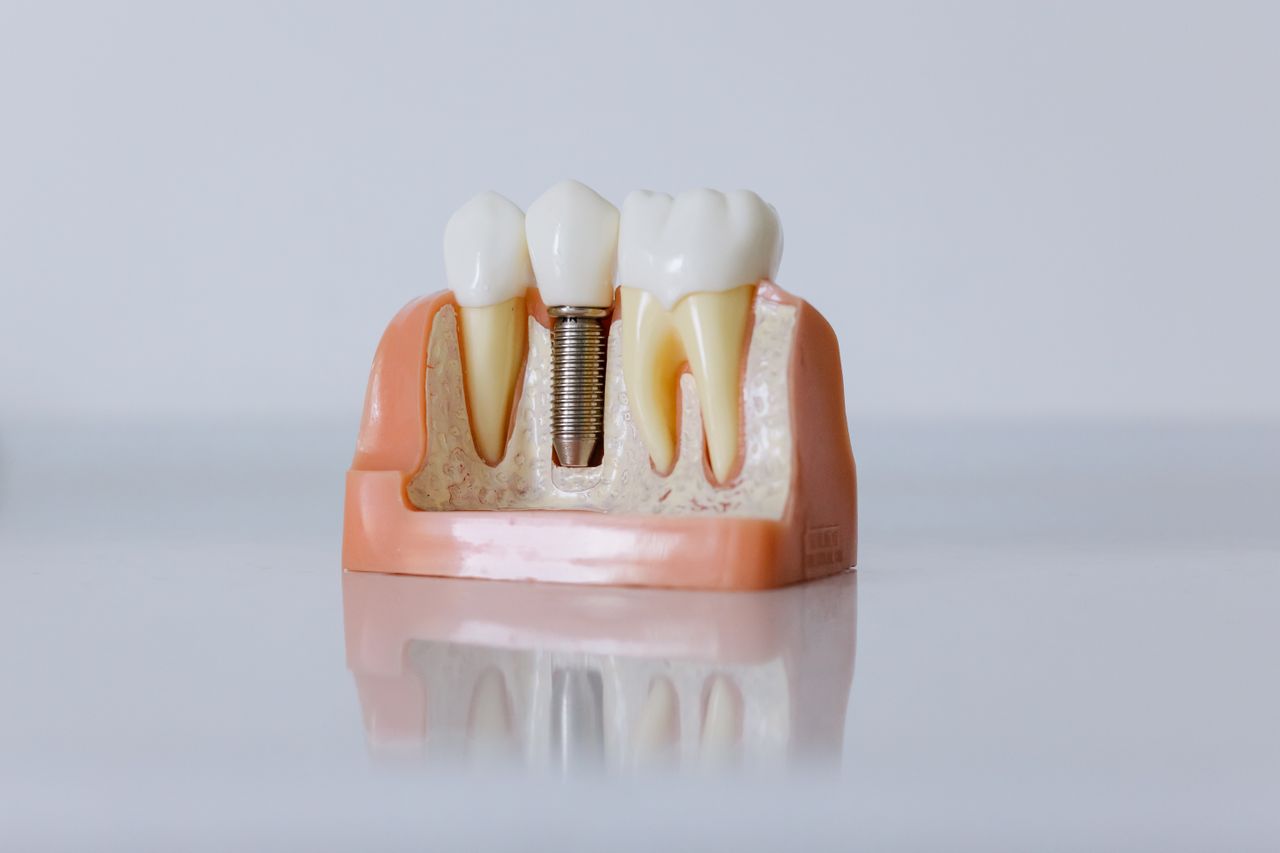
Dental implants Middlesbrough offer a different approach to tooth replacement. Unlike bridges, which rely on adjacent teeth, implants are surgically placed directly into the jawbone, where they act as artificial roots. A replacement tooth, or crown, is then attached to the implant, creating a stable and natural-looking restoration.
How Dental Implants Work
The process for dental implants involves several stages, allowing time for healing between each step. Typically, it includes:
- A thorough assessment to check bone density, gum health, and overall suitability
- Surgical placement of the implant into the jawbone
- A healing period, during which the implant fuses with the bone in a process called osseointegration
- Fitting the abutment, which connects the implant to the replacement tooth
- Placing the final crown, bridge, or denture, depending on the number of teeth being replaced
One of the key advantages of dental implants is that they do not rely on neighbouring teeth for support. This means the natural teeth remain untouched, which can be beneficial for long-term oral health.
Who Might Consider Dental Implants?
Dental implants Middlesbrough may be suitable for someone who:
- Has one or more missing teeth
- Has sufficient bone density to support the implant
- Wants a long-term, stable solution that feels and functions like natural teeth
- Is committed to maintaining good oral hygiene and attending regular check-ups
For those who have lost most or all of their teeth, implant-supported options such as All-on-4 may also be worth exploring. This approach uses a small number of strategically placed implants to support a full arch of replacement teeth, providing a fixed and secure alternative to traditional dentures.
Key Differences Between Bridges and Dental Implants
When deciding between a bridge and dental implants Middlesbrough, it’s helpful to compare how they differ in several important areas.
Stability and Function
- Dental implants are anchored directly into the jawbone, offering stability similar to natural teeth. This allows for strong biting force and a natural feel when eating or speaking.
- Bridges are supported by adjacent teeth, which means their stability depends on the health of those teeth. While they restore function, they may not feel as secure as implants.
Impact on Adjacent Teeth
- Dental implants do not affect the neighbouring teeth, as they are self-supporting. This can be an advantage for preserving the long-term health of the surrounding teeth.
- Bridges require the adjacent teeth to be prepared and crowned, which involves removing some of the natural tooth structure. This can sometimes weaken those teeth over time.
Bone Health
- Dental implants help stimulate the jawbone, which can prevent bone loss that often occurs after tooth loss. This is because the implant mimics the role of a natural tooth root.
- Bridges do not provide this stimulation, so bone loss may still occur beneath the gap where the tooth is missing.
Treatment Time
- Dental implants typically involve a longer treatment process, as they require time for the implant to integrate with the bone before the final restoration can be fitted. This can take several months, depending on individual healing.
- Bridges can often be completed more quickly, as they do not require a healing period. Treatment may be finished in just a few weeks, depending on the type of bridge and the materials used.
Longevity
- With proper care, dental implants can last many years, often decades. The crown attached to the implant may need replacement due to wear and tear, but the implant itself can remain in place for a long time.
- Bridges can also last for many years, but their lifespan depends on the health of the supporting teeth and the materials used. Over time, the abutment teeth may require additional treatment.
Maintenance
- Dental implants require the same level of care as natural teeth, including brushing, flossing, and regular dental check-ups. Special tools, such as interdental brushes, may be recommended to clean around the implant.
- Bridges also require good oral hygiene, but cleaning can be more challenging due to the design of the restoration. Flossing beneath the pontic is essential to prevent gum disease and decay in the supporting teeth.
The All-on-4 Option for Extensive Tooth Loss
For those who have lost most or all of their teeth in one or both arches, traditional dentures may not always provide the stability or comfort they need. In such cases, implant-supported solutions like All-on-4 can offer a more secure and functional alternative.
How All-on-4 Works
All-on-4 is a treatment concept that uses just four dental implants to support a full arch of replacement teeth. The implants are strategically placed to maximise the use of available bone, often with two implants at the front of the jaw and two angled implants at the back. This design allows for a fixed prosthesis to be attached, providing a stable and natural-looking result.
One of the key benefits of All-on-4 is that it can often be completed in a single day, with a temporary prosthesis fitted immediately after the implants are placed. This means patients can leave the clinic with functional and aesthetic teeth on the same day as their surgery. However, it’s important to note that the final, permanent restoration is fitted after the implants have fully healed, which usually takes a few months.
Who Might Benefit from All-on-4?
All-on-4 may be a suitable option for someone who:
- Has lost most or all of their teeth in one or both arches
- Wants a fixed, non-removable solution that feels more like natural teeth
- Prefers a treatment that can often be completed more quickly than traditional implant methods
- Has experienced difficulties with traditional dentures, such as discomfort or instability
Not everyone is a candidate for All-on-4, as it requires sufficient bone density in specific areas of the jaw. A thorough assessment, including imaging such as X-rays or CT scans, is necessary to determine suitability.
The Assessment Process: What to Expect
Choosing between a bridge and dental implants Middlesbrough begins with a comprehensive assessment. This step is crucial to determine which option is most suitable based on individual oral health, bone structure, and treatment goals.
Initial Consultation
The first step is usually a consultation with a dental professional. This appointment provides an opportunity to discuss concerns, ask questions, and understand the available options. The dentist will review the patient’s medical and dental history, examine the mouth, and assess the condition of the teeth, gums, and jawbone.
Diagnostic Imaging
To plan treatment accurately, diagnostic imaging is often required. This may include:
- X-rays to assess the condition of the teeth and surrounding bone
- CT scans to provide a detailed view of the jawbone structure, which is particularly important for dental implants
These images help the dental team determine whether there is enough bone to support an implant and identify the best positions for placement.
Treatment Planning
Based on the findings from the assessment, a personalised treatment plan is created. This plan outlines the recommended approach, the steps involved, and any preparatory work that may be needed, such as tooth extractions or bone grafting.
For dental implants, the plan will also consider the type of restoration, whether a single crown, a bridge, or a full-arch prosthesis is most appropriate. For bridges, the plan will focus on the condition of the supporting teeth and the design of the restoration.
Preparatory Treatments
In some cases, additional treatments may be required before the main procedure can begin. For example:
- Tooth extractions: If damaged or decayed teeth need to be removed before placing dental implants or a bridge.
- Bone grafting: If the jawbone lacks the necessary density or volume to support an implant, a grafting procedure may be recommended to build up the bone.
- Gum treatment: Addressing gum disease or other oral health issues to ensure the mouth is in the best possible condition before starting treatment.
These preparatory steps can add time to the overall treatment process but are essential for achieving the best possible outcome.
The Treatment Journey for Dental Implants
For those considering dental implants Middlesbrough, understanding the treatment journey can help set realistic expectations. While the process may seem lengthy, each step is designed to ensure the implants integrate properly with the jawbone and provide a stable foundation for the replacement teeth.
Surgical Placement
The first major step is the surgical placement of the implant into the jawbone. This procedure is typically carried out under local anaesthesia, ensuring the patient feels comfortable throughout. The dentist or oral surgeon makes a small incision in the gum to access the bone, then carefully positions the implant in the planned location.
In some cases, such as All-on-4, the implants are placed in a way that maximises the use of available bone, often with angled implants at the back of the jaw. This can sometimes reduce the need for bone grafting, although this depends on the individual’s bone structure.
Healing and Osseointegration
After the implant is placed, a healing period follows. During this time, the implant gradually fuses with the surrounding bone in a process called osseointegration. This integration is what gives dental implants their stability and strength, allowing them to function like natural tooth roots.
Healing typically takes several months, during which the patient may be fitted with a temporary restoration to maintain appearance and function. It’s important to follow all aftercare instructions during this period, including:
- Eating a soft diet to avoid putting excessive pressure on the implants
- Maintaining good oral hygiene to prevent infection
- Avoiding habits such as smoking, which can hinder healing
Abutment Placement
Once the implant has fully integrated with the bone, the next step is to attach the abutment. This is a small connector piece that is placed on top of the implant and will eventually support the replacement tooth. In some cases, the abutment may be placed at the same time as the implant, but this depends on the treatment plan.
Fitting the Final Restoration
The final step is fitting the permanent crown, bridge, or denture. For single tooth replacement, a custom-made crown is attached to the abutment. For multiple missing teeth, a bridge or implant-supported denture may be used. In the case of All-on-4, a full-arch prosthesis is securely fitted to the implants.
The final restoration is designed to blend seamlessly with the natural teeth, providing a natural-looking and functional result. The dentist will check the fit, bite, and appearance to ensure everything feels comfortable and looks great.
Recovery and Aftercare
Recovery after dental implants Middlesbrough or bridge placement varies depending on the individual and the complexity of the treatment. However, following the dentist’s aftercare advice can help ensure a smooth and successful healing process.
Immediate Recovery
After implant surgery, it’s normal to experience some mild swelling, discomfort, or bruising. These symptoms can usually be managed with over-the-counter painkillers and should subside within a few days. Applying an ice pack to the outside of the face can also help reduce swelling.
For the first few days, it’s best to stick to soft foods and avoid anything too hot, spicy, or crunchy. Good options include:
- Soups and broths
- Mashed potatoes
- Yogurt
- Smoothies
- Scrambled eggs
It’s also important to stay hydrated and avoid alcohol and smoking, as these can slow down healing.
Long-Term Aftercare
Once the implants have fully healed and the final restoration is in place, maintaining good oral hygiene is essential. This includes:
- Brushing twice a day with a soft-bristled toothbrush
- Flossing daily, using interdental brushes or a water flosser to clean around the implants
- Using an antibacterial mouthwash if recommended by the dentist
- Attending regular dental check-ups and hygiene appointments
For bridges, cleaning beneath the pontic is crucial to prevent gum disease and decay in the supporting teeth. Special floss threaders or interdental brushes can help reach these areas effectively.
Signs to Watch For
While complications are rare, it’s important to be aware of any signs that may indicate a problem. These can include:
- Persistent pain or discomfort that doesn’t improve with time
- Excessive swelling or bleeding
- Loosening of the implant or restoration
- Difficulty biting or chewing
- Unpleasant taste or bad breath that doesn’t go away
If any of these symptoms occur, it’s important to contact the dental practice promptly for advice.
Longevity and Success Rates
One of the most common questions about dental implants Middlesbrough is how long they last. While no treatment can be guaranteed to last forever, dental implants are known for their durability and long-term success.
How Long Do Dental Implants Last?
With proper care and maintenance, dental implants can last many years, often decades. The implant itself, which is made from biocompatible materials such as titanium, is designed to integrate with the bone and provide a stable foundation for the replacement tooth.
However, the crown, bridge, or denture attached to the implant may need replacement due to normal wear and tear. The lifespan of the restoration depends on factors such as:
- The materials used
- Oral hygiene habits
- Diet and lifestyle choices
- Regular dental check-ups
Factors That Influence Success
Several factors can influence the long-term success of dental implants, including:
- Oral hygiene: Poor oral hygiene can lead to gum disease or infection around the implant, known as peri-implantitis. This can cause bone loss and, in severe cases, implant failure.
- Smoking: Smoking can hinder healing and increase the risk of complications. It’s strongly recommended to avoid smoking before and after implant treatment.
- General health: Certain medical conditions, such as uncontrolled diabetes, can affect healing and the body’s ability to integrate the implant. It’s important to discuss any health concerns with the dentist before treatment.
- Bone quality: Sufficient bone density is essential for the implant to integrate properly. In cases where bone volume is low, bone grafting may be required to create a suitable foundation.
- Bite and loading: Excessive force on the implants, such as from teeth grinding or clenching, can increase the risk of complications. A nightguard may be recommended to protect the implants during sleep.
Success Rates
Dental implants have a high success rate, with studies showing survival rates of over 95% at 10 years. However, individual results can vary depending on the factors mentioned above. Regular dental visits and good oral care can help maximise the lifespan of the implants and the restorations they support.
Who Can Get Dental Implants?
Not everyone is automatically suitable for dental implants in Middlesbrough, but many people can benefit from them with the right preparation and care. Suitability depends on several factors, including oral health, bone density, and general well-being.
General Suitability
Most adults in good health with sufficient bone density can consider dental implants. However, certain conditions may require additional assessment or preparatory treatments, such as:
- Bone loss: If the jawbone has deteriorated due to tooth loss or other factors, bone grafting may be needed to build up the bone before implant placement.
- Gum disease: Active gum disease can affect the success of dental implants. It’s important to treat any gum issues before starting implant treatment.
- Medical conditions: Some medical conditions, such as uncontrolled diabetes or autoimmune disorders, can impact healing. These will need to be managed and assessed on an individual basis.
- Smoking: As mentioned earlier, smoking can hinder healing and increase the risk of complications. Quitting or reducing smoking can improve the chances of successful implant treatment.
- Medications: Certain medications, such as those that affect bone metabolism, may influence suitability. The dentist will review any medications during the assessment.
Age Considerations
While there is no upper age limit for dental implants, they are not typically recommended for children or teenagers whose jaws are still growing. The dentist will assess each case individually to determine the most appropriate timing for treatment.
Lifestyle Factors
Lifestyle choices can also play a role in determining suitability. For example:
- Oral hygiene habits: Good oral hygiene is essential for the long-term success of dental implants. Patients must be committed to maintaining their implants and attending regular check-ups.
- Diet: A balanced diet supports overall health and healing. Avoiding excessive sugar and acidic foods can help prevent complications such as decay or gum disease.
- Teeth grinding: Habits such as teeth grinding or clenching can put extra pressure on the implants. A nightguard or other protective measures may be recommended.
Alternatives to Dental Implants
While dental implants Middlesbrough are a popular and effective solution for tooth replacement, they are not the only option. Depending on individual needs and circumstances, other treatments may be more suitable.
Removable Dentures
Dentures are a removable option for replacing missing teeth. They can be:
- Partial dentures: Used to replace one or more missing teeth when some natural teeth remain.
- Full dentures: Used to replace all the teeth in one or both arches.
Modern dentures are designed to look natural and fit comfortably. However, they may not provide the same level of stability as dental implants, particularly for eating or speaking. Some people also find them less comfortable due to the way they rest on the gums.
Implant-Supported Dentures
For those who want the stability of dental implants but prefer a removable option, implant-supported dentures may be a good compromise. These dentures are anchored to implants placed in the jawbone, providing a more secure fit than traditional dentures while still being removable for cleaning.
Implant-supported dentures can be particularly beneficial for people who have struggled with the fit or comfort of conventional dentures.
Resin-Bonded Bridges
Also known as Maryland bridges, these are a type of bridge that uses a metal or porcelain framework bonded to the back of the adjacent teeth. Unlike traditional bridges, resin-bonded bridges do not require the supporting teeth to be extensively prepared. However, they are typically used for replacing front teeth and may not be as strong as other options.
Making the Right Choice for You
Deciding between bridges and dental implants Middlesbrough depends on several factors, including oral health, budget, lifestyle, and personal preferences. Here are some questions to consider when making the decision:
- How many teeth are missing?
- Ans: If only one or two teeth are missing, a bridge may be a suitable option. For more extensive tooth loss, dental implants or implant-supported solutions such as All-on-4 may be more appropriate.
- What is the condition of the adjacent teeth?
- Ans: If the teeth next to the gap are healthy, a bridge could be a good choice. If they are weak or heavily restored, dental implants may be a better long-term option.
- What is the state of the jawbone?
- Ans: Sufficient bone density is essential for dental implants. If bone loss has occurred, grafting may be required, which can add time and complexity to the treatment.
- What is the desired timeline?
- Ans: Bridges can often be completed more quickly than dental implants, which require a healing period. If time is a concern, a bridge may be more suitable.
- What is the budget?
- Ans: While this article does not discuss costs, it’s important to consider the long-term value of each option. Dental implants may have a higher upfront cost but can offer greater durability and benefits over time.
- What are the long-term goals?
- Ans: For a solution that closely mimics natural teeth and supports jawbone health, dental implants are often the preferred choice. For a quicker, non-surgical option, a bridge may be more appealing.
The Role of the Dental Professional
Choosing the right tooth replacement option is a big decision, and consulting with a dental professional is the best way to ensure the choice aligns with individual needs. A dentist experienced in restorative dentistry can provide personalized advice based on a thorough assessment of oral health, bone structure, and treatment goals.
During the consultation, the dentist will:
- Examine the teeth, gums, and jawbone
- Discuss the available options and their pros and cons
- Answer any questions or concerns
- Create a tailored treatment plan
This collaborative approach helps patients feel confident in their decision and understand what to expect throughout the treatment process.
Final Thoughts
Replacing missing teeth is about more than just restoring a smile. It’s about regaining function, confidence, and long-term oral health. Whether opting for a bridge or dental implants Middlesbrough, the right choice depends on individual needs, preferences, and circumstances.
Dental implants offer a stable, long-lasting solution that can feel and function like natural teeth, while bridges provide a quicker, non-surgical alternative for those with healthy adjacent teeth. For those with extensive tooth loss, options such as All-on-4 can provide a fixed and secure alternative to traditional dentures.
By understanding how each option works, what the treatment involves, and what to expect in terms of recovery and aftercare, patients can make an informed decision that supports their oral health and overall well-being for years to come.
READ ALSO: 5 Things Only Children Should Know About Caring for Aging Parents